SASYA
A field book for the deeply curious

Every plant has a story. Let’s get to the root of it.

We walk through a quiet chemical landscape every day. In the garden, along a concrete roadside, across a wild grassland. Who’s putting down roots? Where did they come from? What’s their deal?

Leave the data harvesting to Silicon Valley. Nature doesn’t track cookies, and neither do we. Getting to the root of it means stepping off the frantic internet and tuning into the steady, older rhythm of the soil.

SASYA is a quiet, offline field book that runs entirely on your phone’s raw hardware. Identify plants, explore their local names in up to 14 Indian languages, and keep your curiosity entirely your own business.

On-device AI. No photo uploads. No tracking. Zero account sign-ups.

Free on iPhone, iPad & Android
SASYA camera preview of Nilgiri rhododendron foliage
A moment in the NilgirisFound a plant.
Followed a question.
Nilgiri rhododendron
A real moment with the SASYA camera.
Pure, uncompromised observation.Look past the green surface Rooting for the Indian subcontinent.
3,966 catalogue recordsOn-device identification AIUp to 14 plant-name languagesZero account sign-ups
01 / Beneath the surface

Look past
the green surface.

A name gets you started. The interesting questions dig deeper. Here’s what you can explore now, and what’s putting down roots next.

Upcoming in the app

Regional native tags

Know who belongs.

Rooting for the home team? Dig into where a plant is native, where it has been introduced, and what the local evidence says. A plant’s postcode matters. A familiar face isn’t always a local.

Explore native records on the web
Upcoming in the app

Eco-replacement cards

Switch your positions.

Ready to make a little room? We’re building native alternatives for your light, soil and space, with practical replacement and restoration guidance. Find a better fit. Put down some local roots.

Available now

On-device camera scanner

Keep your business in the dirt.

See something growing through the pavement? Get nosy. The identification model runs on your phone, without uploading your camera feed. Your curiosity can roam. Your photos stay put.

Get the dirt on the AI
Available now

Plant health & triage

Sometimes you just wet your plants.

Spotty, droopy, or looking thoroughly soiled off? The offline leaf health check walks through what you see, suggests possible causes, and offers practical care steps. Get to the root of the trouble without any judgment from a corporate cloud server.

Start with a symptom
02 / The next chapterUpcoming in the app

The raw data.
No watering down.

We’re growing the species sheets into a source-backed, forensic field book about how plants live, where they belong, and how we share the same ground. We provide the data; what you do on your own plot is your business.

These deeper app chapters are upcoming. Selected reviewed care, toxicity and native-range notes are already available in the web directory.

01

Chemical warfare & defence

What complex compounds does a plant manufacture, and what are their documented roles? Explore the raw chemistry behind its defences, deliriant compounds where present, and adaptive interactions.

02

Toxicity & contact hazards

Nature plays for keeps. Which parts can harm people or animals, and through what kinds of exposure? Species-specific chemical evidence made transparent, including what we don’t yet know.

03

Airborne triggers

Pollen, reported allergens, flowering seasons and regional context. Understand documented associations without turning a plant scan into a diagnosis.

04

Ecosystem friction

What grows alongside it? Where is it spreading? Follow the evidence on competition, habitat pressures and local conservation. Find out how you can help.

03 / A little local knowledge

Rooted in
your language.

One plant can answer to plenty of names. Find a familiar one. Discover a new one. Follow the words back into the world around you.

Four ways in.
Use the app in English, Hindi, Nepali or Bangla.
Names with local roots.
Plant names in up to 14 Indian languages. Availability varies by species and language.
Off the grid. Still in the know.
The bundled identification model and botanical directory work without a cellular signal.
Dig into regional names
04 / A walk on the wild side

There’s more
in the undergrowth.

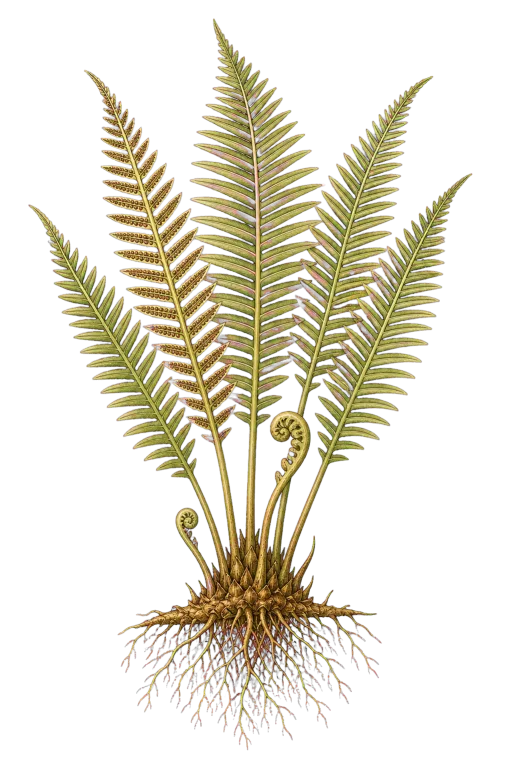
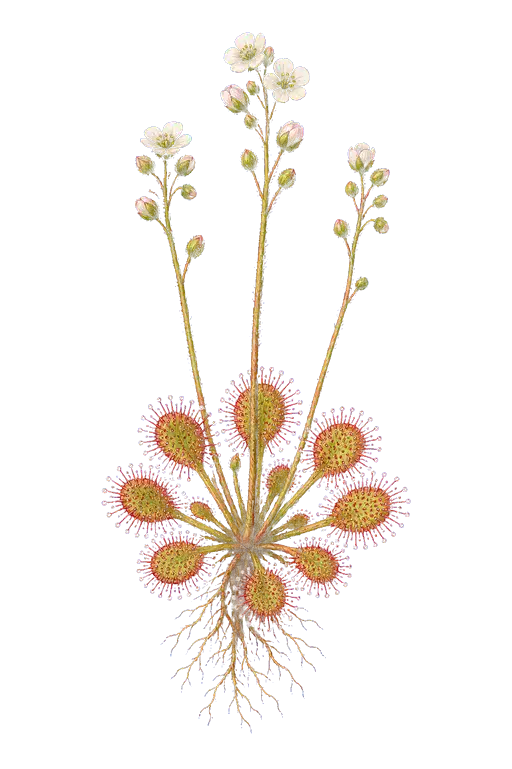
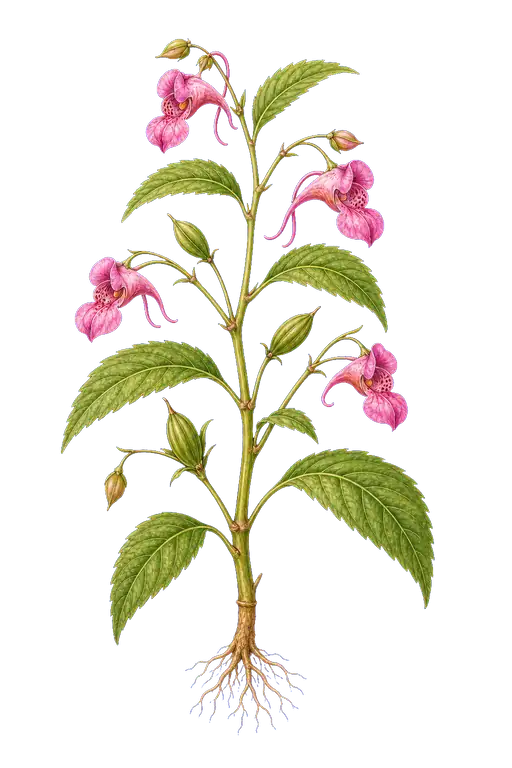
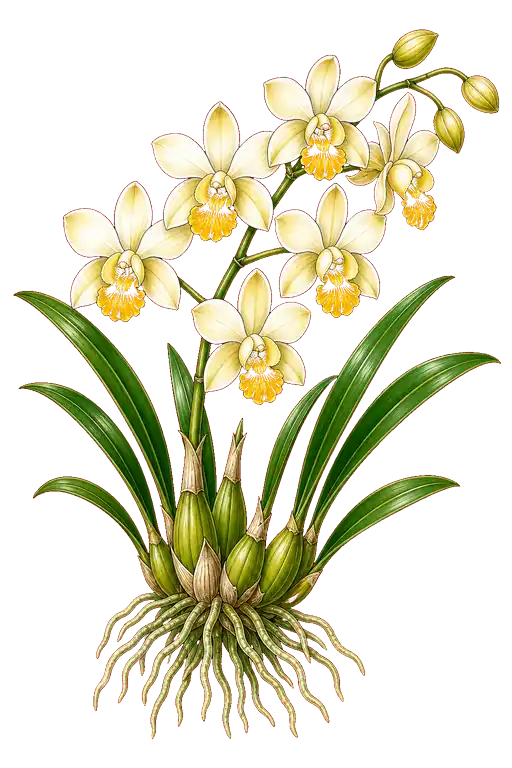
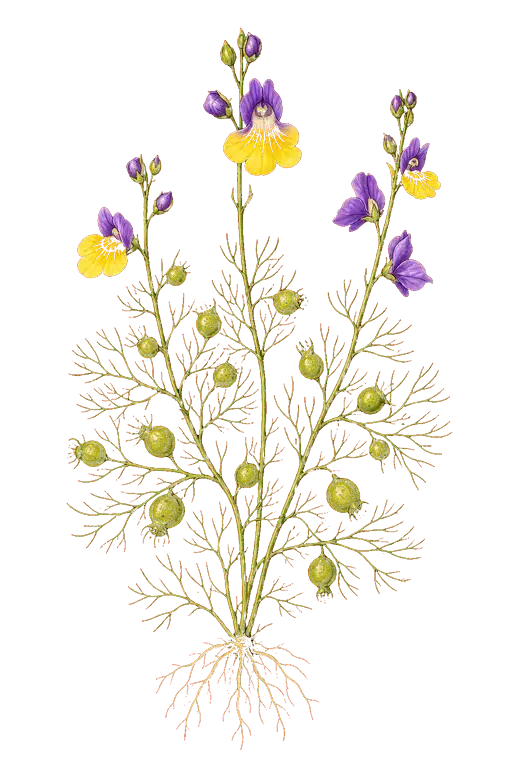
An insect-eater. A rock-loving balsam. An orchid growing underfoot. Meet three wild plants native to Indian regions, each with a story worth stopping for.

Explore the native field guide

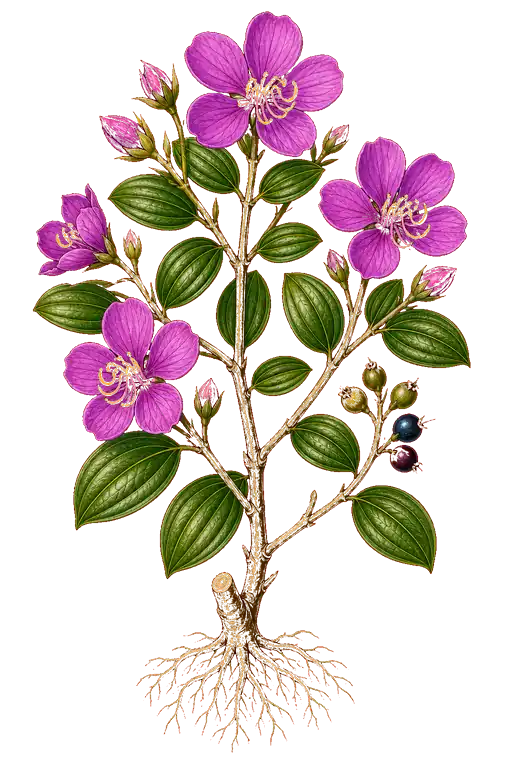
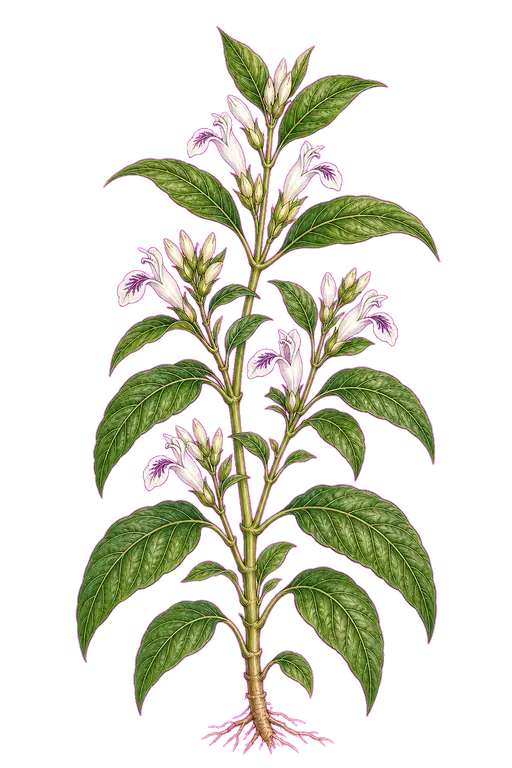
Illustrations show each plant’s family. Open a species profile to compare its identifying characters.

The field desk / Try it here

Go on.
Dig around.

A name you grew up with. A leaf looking a little off. Get to the root of a question before you head outside.

Lentibulariaceae The bladderwort family
A botanical family study. There’s more here than meets the eye.
A little closer to home

Meet your local flora.

Start with familiar plants and the names you know.

About this selection

A curated starting point from recorded plant occurrences and names, not an abundance ranking. A name in a language does not imply the plant grows in every region where it is spoken.

Free to explore. No sign-up, no photo upload.Have a photo? Try the app
Available in the app

Get the picture.
Then get curious.

Real screens from SASYA. Find a name, explore regional names, save your observations and check leaf health.

Off the grid. Deep in the dirt.

We identify plants.
Your business
stays yours.

A small detector finds the plant in your camera frame. A second model examines the crop and suggests a species. Both run on your device. No connection required.

  • No photo uploads
  • No accounts, no ads, no ad tracking
  • Saved observations stay on your device
Under the hood. Down to earth.Read the privacy policy
SASYA explaining that the camera is used only while scanning and photos stay on your phone
How we got into the weeds

Came for the models.
Stayed for the questions.

I started SASYA because I wanted to learn computer vision. Plants seemed like an easy place to start training models. Then I started taking an interest in what I was identifying, especially native plants growing wild.

On a trip to Kodaikanal, I kept seeing the same plants again and again. It got under my skin. Why so much repetition? What else should be growing here? Where was the variety? Those are the questions I want SASYA to help explore.

Find plants. Learn about plants. Keep asking.

Family roots / The wilder branches

Meet the
wild relatives.

Start with a native Indian member, then follow its family tree. These families reach far beyond India; the examples below give you a local thread to follow.

Free to explore. Room to grow.

A little room
for your field notes.

Identification, regional names and your first plant journal are free. PRO adds unlimited journals for a growing record of your observations.

Available app features on iOS and Android · upcoming chapters are not included here
FeatureFreeSASYA PRO
Plant identificationIncludedIncluded
Care guides & regional namesIncludedIncluded
Leaf health checkIncludedIncluded
Plant journalsYour first journalUnlimited journals

PRO is optional: monthly, yearly, or a one-time lifetime purchase. See the app for current pricing in your region. No account or ads in either plan.

A little digging

Questions?
Naturally.

What’s inside, what’s private, and what’s putting down roots next.

Does SASYA really work without the internet?

Yes. The identification model and bundled botanical directory live on your phone. Identification, bundled profiles and leaf health checks work without a connection. Upcoming features are labelled on this page; they are not yet part of the released app.

Does SASYA upload my photos?

No. Identification happens on your phone, without uploading your camera feed or identification photos. Your saved observations and plant journals stay on your device.

Are native tags, replacement cards and chemical profiles available?

The website already has 2,802 source-backed native-range records and selected reviewed care and toxicity notes. Expanded native tags in the app, eco-replacement cards and deeper chemical, allergen and ecosystem chapters are upcoming. The released app includes offline identification, regional names, leaf health checks and private journals.

Is this an app for heavy environmental lectures?

Bring your questions. We’re interested in what grows here, where it comes from, and what it does. The field book starts with observation. The upcoming deeper profiles will show sources, regional context and uncertainty, so you can follow the evidence yourself.

Are all 3,966 catalogue plants native?

No. The catalogue includes native and introduced plants, as well as records whose origin is not yet established here. 2,802 records have sourced native ranges in Indian regions. Check the stated range and source in each profile. The native guide highlights 9 selected plants with individually reviewed field notes.

Which languages can I use?

The app interface is available in English, Hindi, Nepali and Bangla. Plant names appear in up to 14 Indian languages, with coverage varying by species and language.

Is SASYA free?

Identification, care guides, leaf health checks and your first plant journal are free. SASYA PRO adds unlimited plant journals. Upcoming features are separate from the currently available features listed in the Free/PRO table.

For the deeply curious

Go on.
Get to the roots.

A quiet field book. A growing list of questions.
Available now on iPhone, iPad and Android.